
Can Fathering at an Older age Endanger a Child’s Health ? 2025
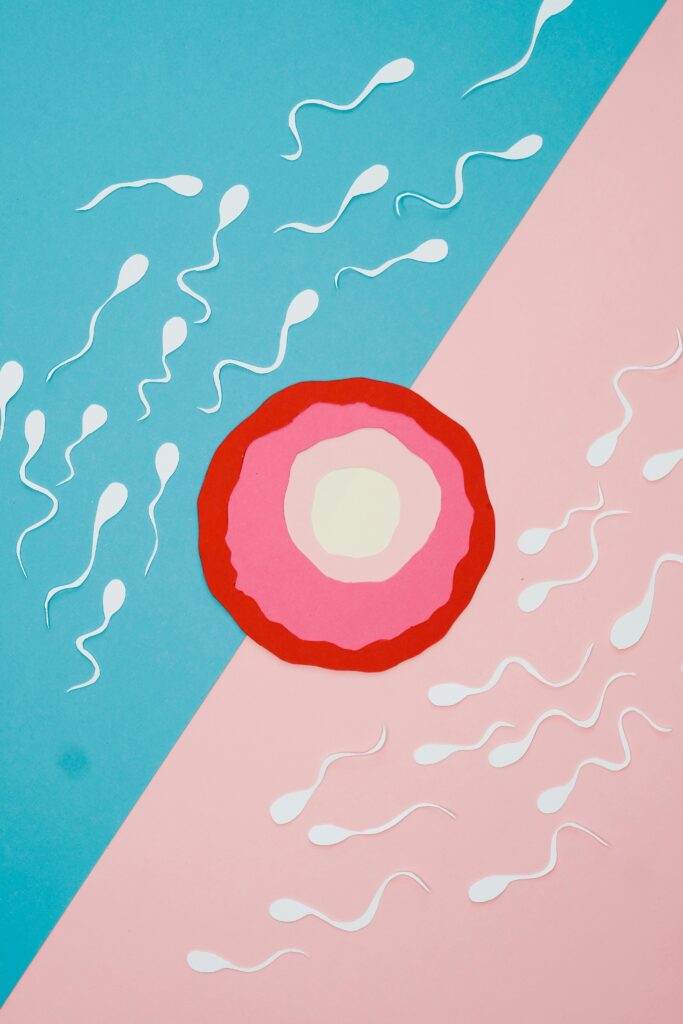
Can Fathering at an Older age Endanger a Child’s Health ? Published in the journal Nature, researchers in the UK analyzed sperm samples from 81 healthy men aged 24 to 75
Genes play a key role in shaping human life. They provide the details that instruct cells to form and grow. That is, the personality of a child raised in the womb depends on the genes of both the mother and father.
Traditionally, it has been believed that women’s reproductive health is affected by age, but recent research has challenged these assumptions and clarified a completely different point of view.
Can Fathering at an Older age Endanger a Child’s Health ?
Published in the journal Nature, researchers in the UK analyzed sperm samples from 81 healthy men aged 24 to 75. The study shows that as men age and over time, their sperm (male reproductive cells) decrease, which can affect their offspring in age-related changes.
Using a high-throughput technique, the experts found that mutations accumulate with age, meaning older men have a greater decline in sperm.
The study measured the proportion of sperm carrying disease-causing mutations and reported the following age-related increases:
Early 30s (26 – 42 years): About 2% of sperm carry disease-causing mutations.
Middle-aged (43 – 58 years) and older (59 – 74 years): The proportion increases to between 3% and 5%.
Age 70: The percentage of sperm carrying disease-causing mutations was about 4.5%.
The rate of accumulation of these mutations was found to be 1.67 mutations per year. According to these results, the age of 43 is when the reproductive hormone begins to lose its healthy effects in men. Experts note that these results indicate an increased risk that older fathers or those planning to have children later in life should be aware of.
“Our findings reveal a hidden genetic risk that increases with the age of parents,” said Professor Matt Hurles, Director of the Wellcome Sanger Institute and co-author of the study. “Some changes in DNA not only survive in the testicles but also grow, meaning that those who become fathers later in life are at greater risk of unknowingly passing on the harmful mutation to their children.”
The most worrying thing about this latest study is that the researchers say that certain harmful mutations not only accumulate with age but also support them during sperm production. This means that sperm that carry these mutations outcompete and grow faster than normal sperm cells. These mutated genes are associated with developmental disorders and inherited cancer predisposition syndromes.
They cause changes in the genes of older parents that can cause severe neurodevelopmental disorders in their children, such as autism spectrum disorders. All this is especially noticeable in the current situation, as the trend is to marry later and then have children later. The probability of starting a family after 40 has increased from 4.1 percent in 1972 to 8.9 percent in 2015.
Can Fathering at an Older age Endanger a Child’s Health ?
A 2024 analysis found that fathers over 40 were 51 percent more likely to have a child diagnosed with autism than those who fathered in their 30s, the latest study confirming the existence of so-called selfish sperm as a cause of rare, dominant congenital syndromes such as Apert syndrome and Coonanello syndrome.
While the findings of this latest study are concerning, experts say more research is needed. But they also say that while the number of sperm carrying harmful mutations increases with age, not every one of these mutations can lead to pregnancy or conception, as some can prevent fertilization and some can cause miscarriage. The researchers used a powerful new DNA sequencing method that reads both parts of the DNA, allowing them to detect even rare mutations with high accuracy.
By analyzing more than 100,000 sperm from men aged 24 to 75, they identified more than 40 genes where mutations can make sperm stem cells “selfish,” essentially competing with normal cells and making disease-carrying sperm more common with age.
Although these mutations make up a small fraction of all possible sperm mutations, their impact is large because they target key genes. While lifestyle factors such as smoking and alcohol consumption increase the level of mutations in blood cells, the researchers found no such effect in sperm, suggesting that the body protects sperm production from environmental damage.
However, these protections do not prevent selfish mutations from taking over as men age. On the other hand, a recent study also seems to support this idea, revealing that women’s ovaries naturally protect eggs from the effects of aging, while men’s sperm are affected by mutations over time.